PENTHOUSE AT PALAZZO GARZADORI FATTORE
Vicenza, Italy
2015 - 2017


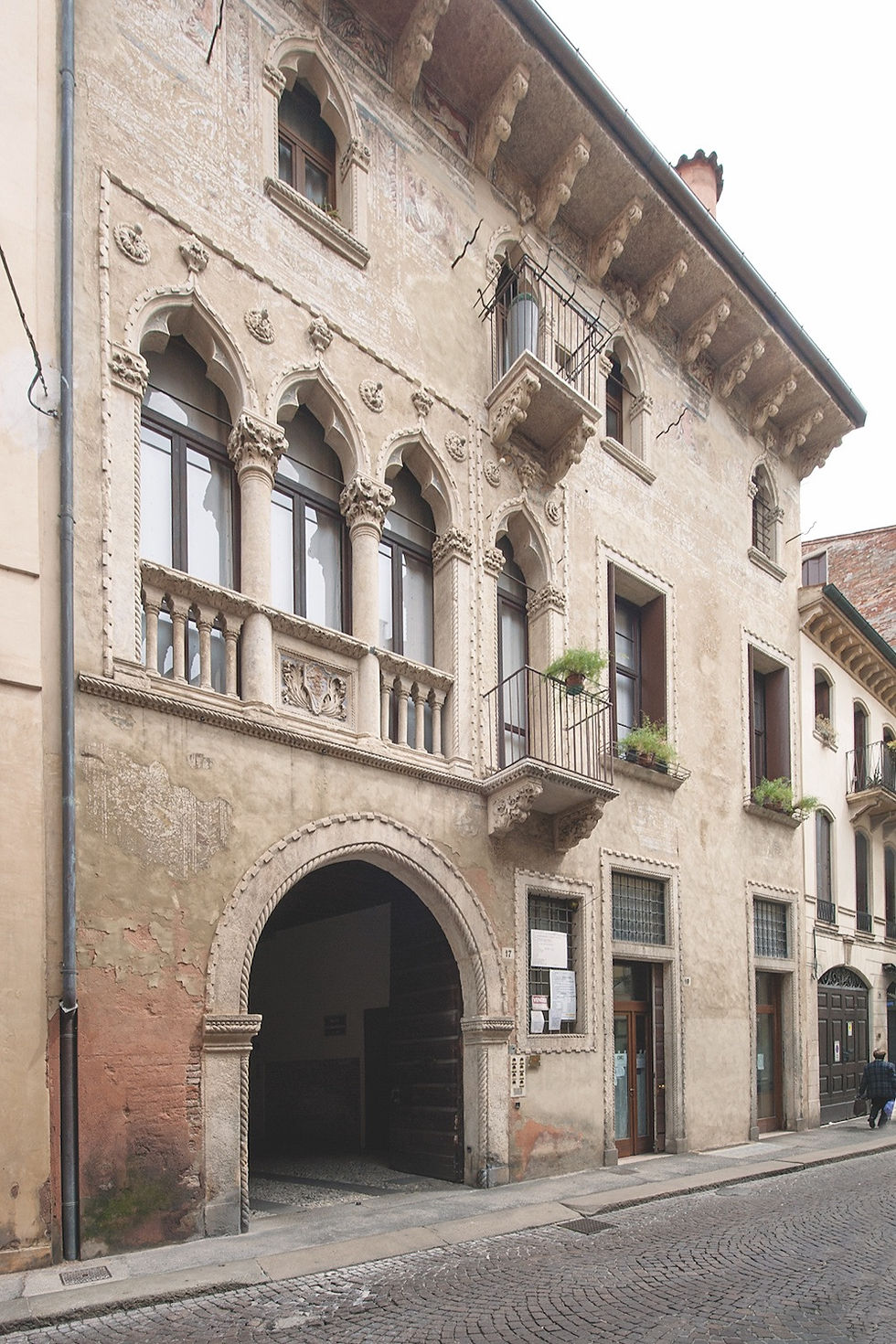

The project involved the complete interior transformation of the top-floor apartment and attic level, converting a raw, unfinished shell into a contemporary private residence. The scope encompassed spatial reorganization, structural reinforcement of the timber roof, full mechanical and electrical systems integration, interior architecture, lighting design, and material specification.
The completed residence comprises an open-plan kitchen and dining area, a living room with a freestanding double-sided fireplace, a master bedroom suite with walk-in wardrobe, two bathrooms, a study, an upper-level living area beneath the original roof structure, and a terrace overlooking the rooftops of Vicenza's historical center.
Working within a nationally listed building in Italy requires navigating one of Europe's most demanding heritage protection frameworks. Palazzo Garzadori Fattore is protected under the Codice dei Beni Culturali (D. Lgs. 42/2004, Art. 10), which means any intervention, from structural modification to internal partition layout, must receive prior authorization from the Soprintendenza Belle Arti e Paesaggio, in addition to the standard municipal building permit.
For this project, Studio LUMI managed the full regulatory process: preparing the heritage documentation, coordinating directly with the Soprintendenza for the provinces of Verona, Rovigo, and Vicenza, and liaising with the Comune di Vicenza and the local health authority (ULSS) to align heritage requirements with contemporary building standards.
The Soprintendenza confirmed in its formal ruling that the completed interventions are "compatible with the historic-artistic character of the protected property" and that the cultural asset has not suffered damage, formally authorizing all works in site.
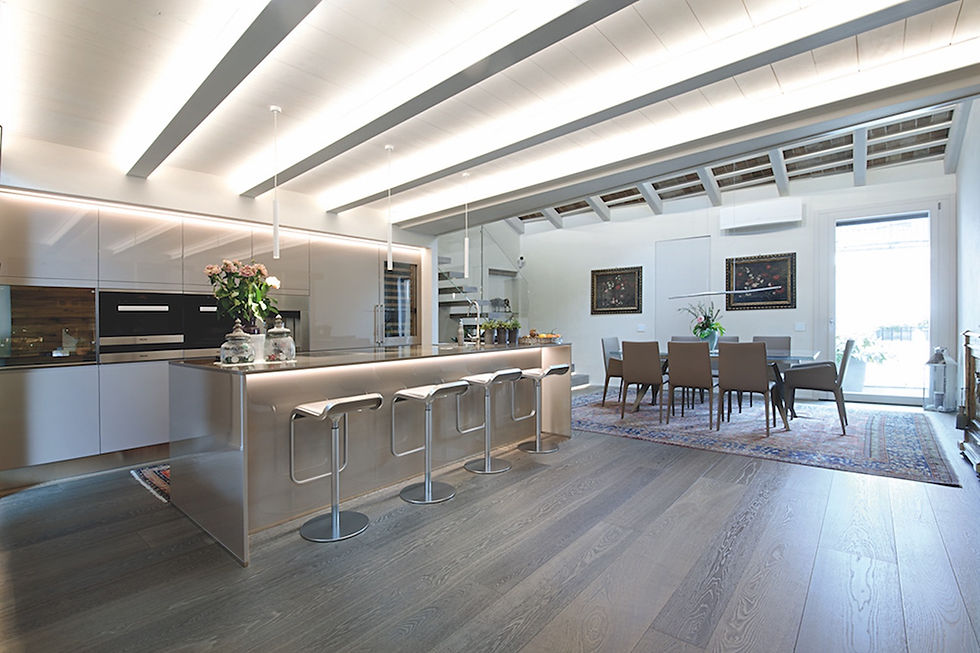
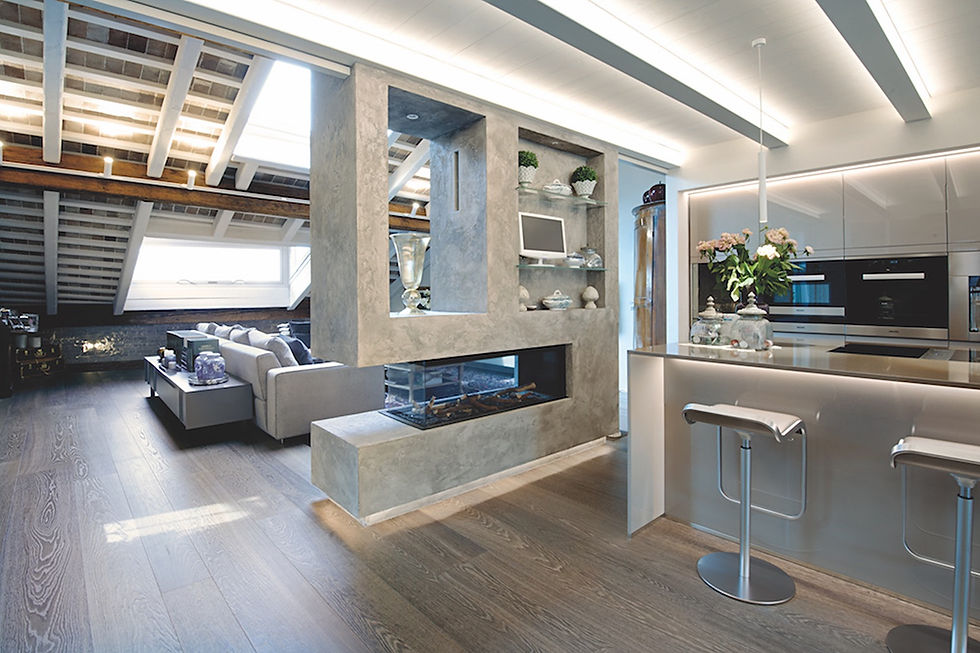
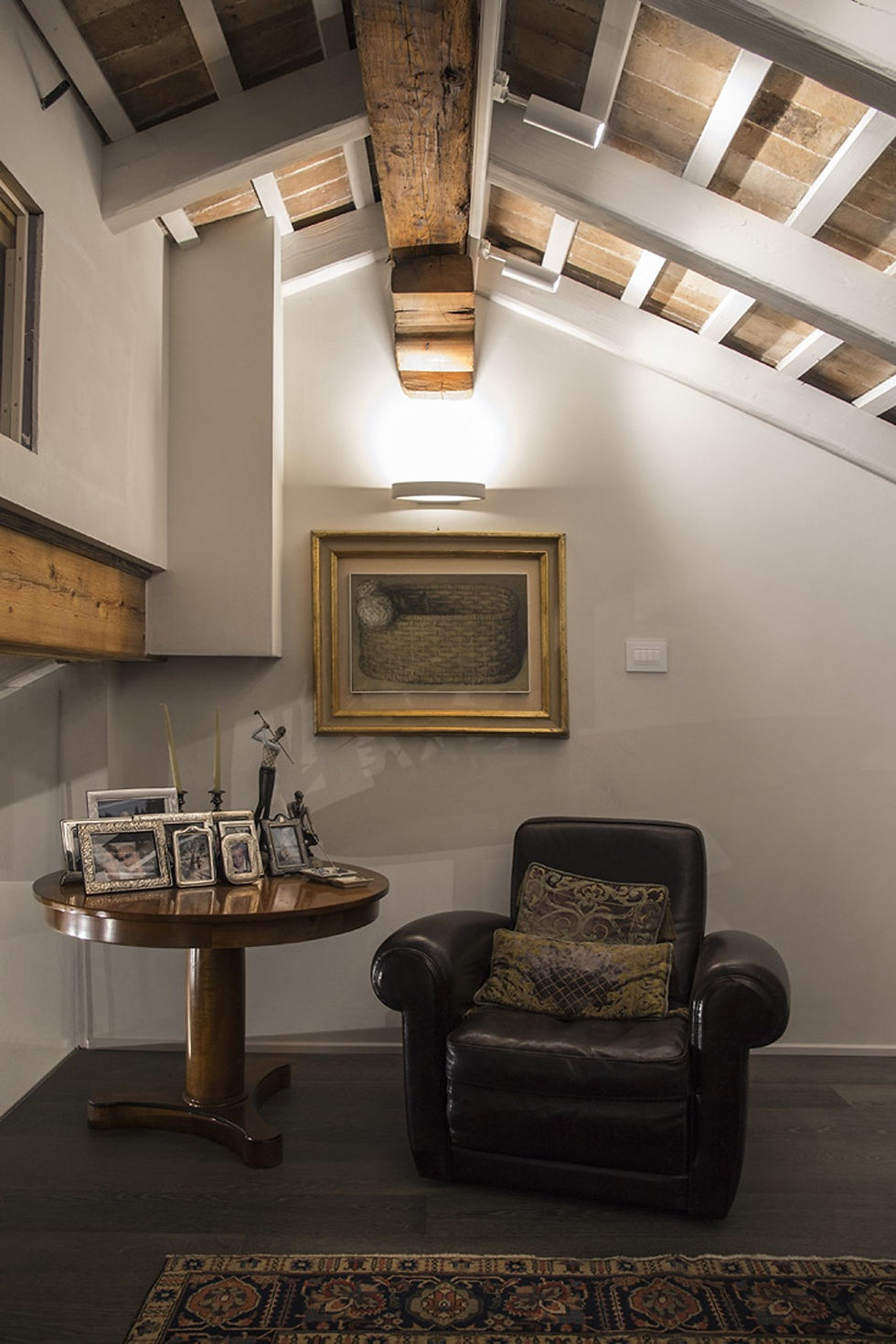
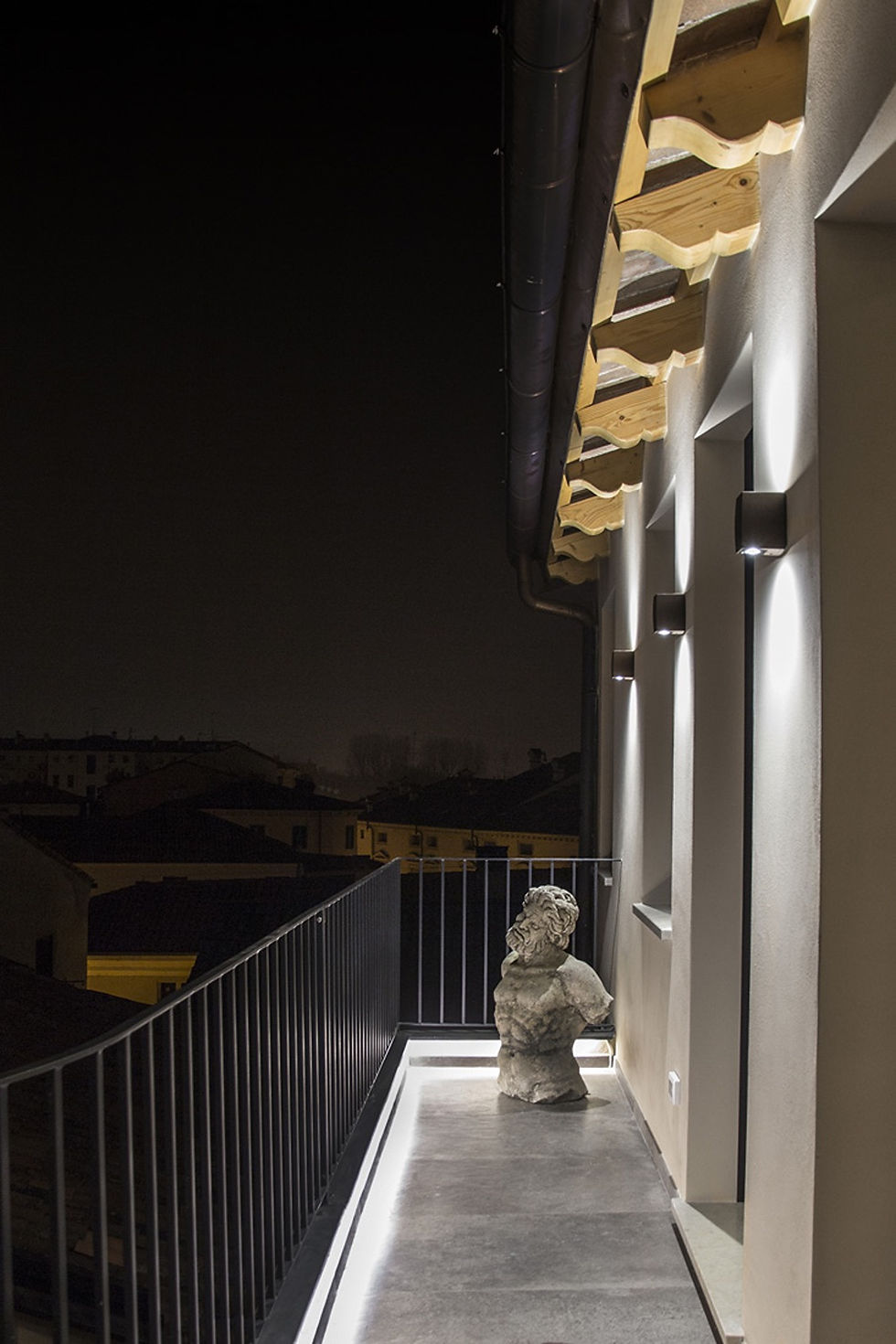
The design operates through a deliberate contrast between the weight of the existing structure and the precision of the contemporary intervention.
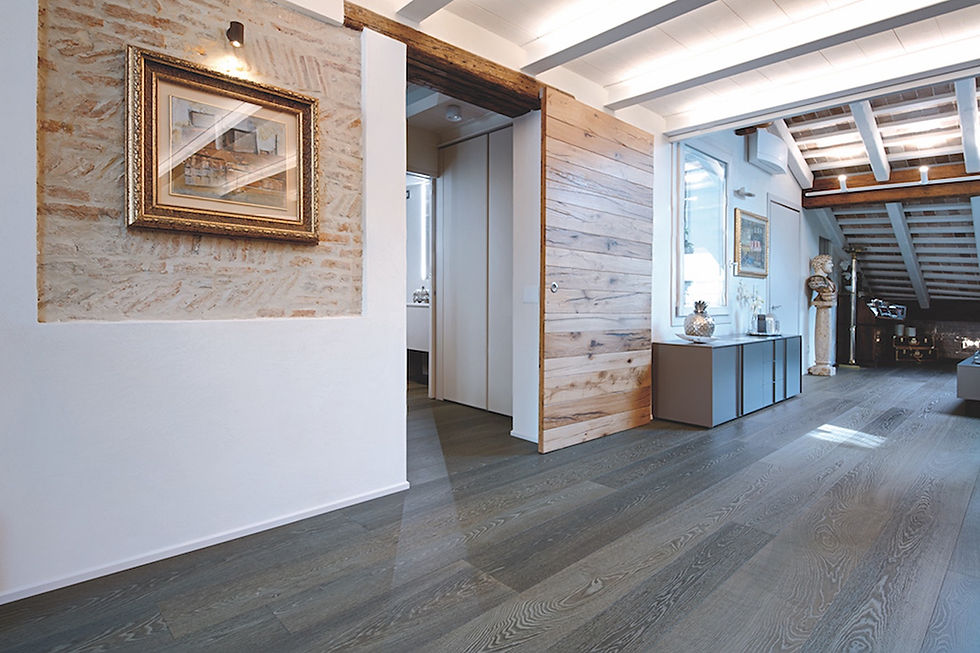
The original timber ceiling structure is preserved and left exposed throughout the residence, in two distinct conditions. In the dining area, heavy darkened beams and carved timber brackets, bearing centuries of oxidation, span the ceiling alongside original brick infill panels. In the kitchen and upper-level spaces, new timber beams and boarding, finished in white, are installed alongside the restored historic structure. The juxtaposition is intentional: old and new timber exist side by side, each legible, neither disguised.


In the corridors and attic, sections of the original stone masonry walls are left exposed, their rough-cut texture illuminated by recessed square wall lights that cast controlled shadows across the uneven surface. Elsewhere, exposed brick walls, cleaned to reveal a warm ochre tone, appear alongside smooth plastered surfaces, establishing a continuous material dialogue between the building's archaeological layers and its new domestic identity.

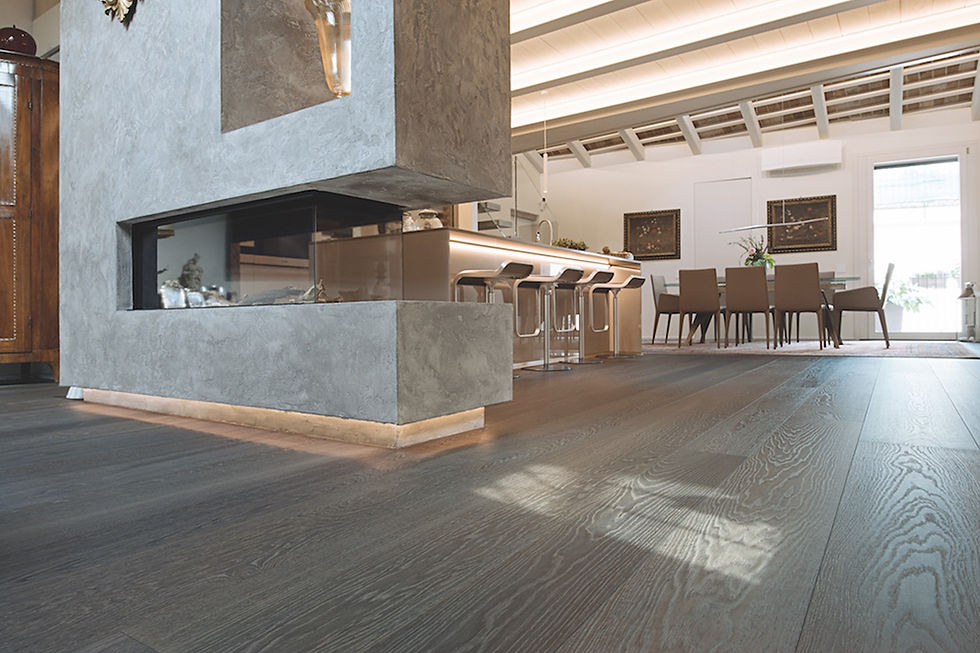
A freestanding volume clad in micro-cement stands at the center of the plan, functioning simultaneously as a spatial divider and a connective element between the two floors. On the living room side, it houses a three-sided glass fireplace. On the kitchen side, it provides a display niche framed in the same micro-cement finish. The volume rises through to the attic level, where it forms the edge of an upper reading area, creating a double-height spatial relationship visible from the open-plan floor below.

Project details
TIME
2015 - 2017
TYPE
Restoration / Residential
AREA
150 m2
CLIENT
Private
DESIGN
Studio LUMI
More images


Construction site images


Discover more

Project
Private House Cendon

Project
Hotel Villa Contarini Guizzetti Della Rovere

Project
Residential Building Vicolo Venier

Project